Best Maternity Compression Socks (2026) – Reduce Swelling & Leg Pain Fast
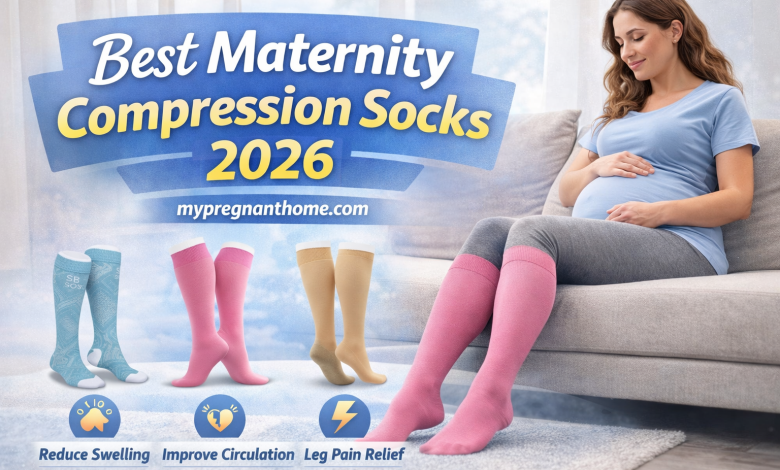
Pregnancy brings many physical changes, and one of the most common—and often overlooked—issues is swelling in the legs, ankles, and feet. As your pregnancy progresses and your blood volume increases, fluid retention becomes nearly unavoidable. For many pregnant women, maternity compression socks become essential for managing swelling, reducing leg fatigue, and improving circulation throughout pregnancy.
The best maternity compression socks combine therapeutic compression with comfort and style, designed specifically for the unique needs of pregnant bodies. Unlike regular compression socks, maternity versions account for growing belly size, provide extra support during weight gain, and offer the sustained compression that helps manage pregnancy-related edema (swelling).
In this comprehensive guide, we’ll review the top maternity compression sock brands, explain why compression therapy matters during pregnancy, and help you choose the best option for your needs.
Why Pregnancy Causes Swelling and Why Compression Helps
Understanding pregnancy edema:
During pregnancy, your body retains more fluid than usual. Your growing uterus puts pressure on blood vessels, particularly the vein that returns blood from your lower extremities to your heart. This combination increases fluid accumulation in your legs and feet, especially by the end of the day.
Approximately 80% of pregnant women experience some degree of leg and ankle swelling, particularly in the second and third trimesters. While this swelling is usually harmless, it causes discomfort, fatigue, and can make wearing regular shoes difficult.
How compression socks help:
Compression socks work by applying graduated pressure—stronger at the ankle, gradually decreasing toward the knee. This pressure:
- Improves circulation: Graduated compression helps blood return from your legs to your heart more efficiently
- Reduces fluid accumulation: By improving circulation, compression socks prevent excess fluid from pooling in your lower extremities
- Decreases pain and fatigue: Reduced swelling and improved circulation alleviate leg heaviness, pain, and tired legs
- Prevents blood clots: Improved circulation helps prevent deep vein thrombosis (DVT), a risk factor during pregnancy
- Improves sleep quality: Many pregnant women report better sleep when wearing compression socks due to reduced leg discomfort
Healthcare providers often recommend compression socks as a first-line treatment for pregnancy swelling before considering medications.
Key Features to Look for in Maternity Compression Socks
Before reviewing specific brands, let’s discuss what distinguishes quality maternity compression socks from standard versions.
Compression level: Pregnancy compression socks typically range from 15-20 mmHg (mild) to 20-30 mmHg (moderate). Most pregnant women benefit from 15-20 mmHg compression. Stronger compression (30+ mmHg) requires medical prescription.
Material composition: Look for breathable, moisture-wicking materials that won’t trap heat. Merino wool, nylon blends, and moisture-wicking synthetics are ideal. Avoid 100% cotton, which retains moisture.
Fit and sizing: Proper fit is crucial. Socks that are too tight cut off circulation; socks that are too loose don’t provide therapeutic compression. Brands should offer detailed sizing guides.
Maternity-specific design: Quality maternity compression socks accommodate your growing calf and have reinforced areas that won’t dig into swollen legs.
Comfort and wearability: You’ll wear these daily, so comfort matters. Look for soft materials, smooth seams, and non-restricting tops that won’t dig into your legs.
Easy care: Machine-washable socks are essential. Hand-washing is tedious when you’re pregnant. Quality socks withstand regular machine washing without losing compression.
Aesthetic appeal: You’re more likely to wear socks you like. Quality maternity compression socks come in various colors and styles, not just clinical white.
Best Maternity Compression Sock Brands: Our Top Picks
1. Copper Compression Maternity Socks
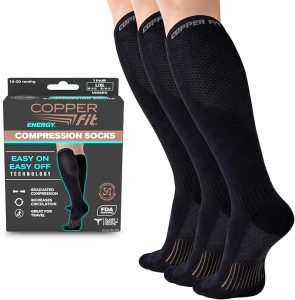
Price: $24-$35 per pair Compression: 15-20 mmHg Material: Nylon, spandex with copper infusion Sizes: XS-XXL with detailed sizing guide Care: Machine washable
Copper Compression maternity socks combine therapeutic compression with copper-infused fabric, known for antimicrobial and anti-inflammatory properties. Many pregnant women specifically seek copper compression for these benefits.
Why we love it:
- Copper infusion may reduce inflammation and odor
- Soft, breathable material feels comfortable all day
- Available in multiple colors and patterns (not just clinical white)
- Easy sizing with detailed leg and ankle measurements
- Affordable compared to premium brands
- Excellent customer reviews from pregnant users
- Machine washable and durable
- Quick-drying material
Best for: Pregnant women wanting copper benefits with comfortable compression
2. SB SOX Maternity Compression Socks
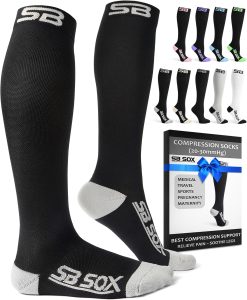
Price: $28-$40 per pair Compression: 20-30 mmHg Material: Nylon, spandex blend Sizes: XS-XXL Care: Machine washable
SB SOX specializes in compression socks across various categories, including a well-regarded maternity line. Their socks combine medical-grade compression with comfortable everyday wearability.
Why we love it:
- Medical-grade compression (20-30 mmHg)
- Wide variety of colors and fun patterns
- Soft, seamless design minimizes irritation
- Reinforced heel and arch provide extra support
- Excellent arch support benefits pregnant women
- Highly rated by verified purchasers
- Good compression durability through many washes
- Affordable price point
Best for: Pregnant women wanting stronger compression (20-30 mmHg)
3. Jobst Maternity Compression Stockings
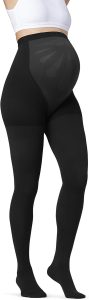
Price: $35-$55 per pair Compression: 15-20 mmHg Material: Nylon, spandex Sizes: Multiple with detailed sizing Care: Machine washable
Jobst is a trusted medical compression brand used in hospitals worldwide. Their maternity line brings medical-grade quality to pregnancy-specific compression.
Why we love it:
- Medical-grade quality trusted by healthcare providers
- Specifically designed for pregnancy
- Comfortable graduated compression
- Excellent leg coverage options
- Durable construction withstands frequent washing
- Recommended by many OBGYNs
- Various styles from knee-high to thigh-high
- Excellent customer loyalty
Best for: Pregnant women wanting medical-grade compression from a trusted brand
4. Physix Gear Maternity Compression Socks
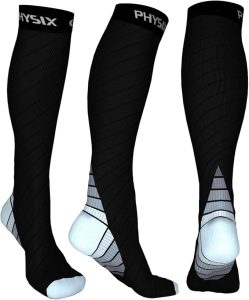
Price: $22-$32 per pair Compression: 20-30 mmHg Material: Nylon-spandex blend, moisture-wicking Sizes: XS-XXL with detailed guide Care: Machine washable
Physix Gear offers athletic-quality compression socks adapted for maternity, combining sports compression technology with pregnancy-specific design.
Why we love it:
- Athletic-grade compression technology
- Moisture-wicking keeps feet dry
- Durable construction for active pregnant women
- Available in various colors
- Affordable price
- Good reviews from active pregnant women
- Maintains compression through multiple washes
- Non-slip top prevents sliding down
Best for: Active pregnant women wanting durable, moisture-wicking compression
5. Comrad Maternity Compression Socks
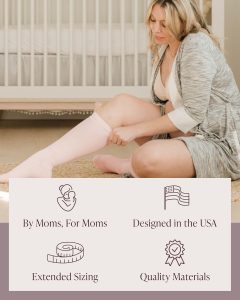
Price: $48-$65 per pair Compression: 15-20 mmHg Material: Organic merino wool, nylon, spandex Sizes: Multiple with detailed sizing Care: Hand wash recommended, gentle machine wash acceptable
Comrad offers premium maternity compression using organic merino wool, perfect for pregnant women seeking natural, eco-conscious products.
Why we love it:
- Organic merino wool is naturally antimicrobial
- Temperature-regulating material (cool in summer, warm in winter)
- Premium comfort for all-day wear
- Sustainable, eco-friendly materials
- Beautiful, stylish designs
- Excellent reviews emphasizing comfort
- Durable merino wool maintains compression
- Great for women with sensitive skin
Best for: Eco-conscious pregnant women wanting premium natural materials
6. Sockwell Maternity Compression Socks
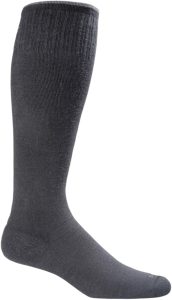
Price: $32-$45 per pair Compression: 15-20 mmHg Material: Merino wool blend Sizes: Multiple options Care: Machine washable
Sockwell combines merino wool comfort with targeted compression, offering a balance between medical function and everyday wearability.
Why we love it:
- Merino wool provides natural temperature regulation
- Soft, comfortable for sensitive skin
- Attractive patterns and colors
- Good compression retention through washes
- Excellent reviews from long-term users
- Durable merino construction
- Suitable for daily pregnancy wear
- Good value for quality
Best for: Pregnant women prioritizing comfort without sacrificing compression
7. Travelon Maternity Compression Socks
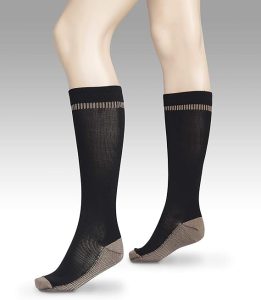
Price: $26-$36 per pair Compression: 15-20 mmHg Material: Nylon, spandex Sizes: XS-XXL Care: Machine washable
Travelon specializes in travel-specific compression products, making their maternity socks ideal for pregnant women who fly or travel frequently.
Why we love it:
- Perfect for pregnant travelers
- Prevents DVT during flights
- Lightweight and packable
- Breathable material
- Available in multiple colors
- Machine washable
- Good compression without feeling restrictive
- Affordable price
- TSA-approved for air travel
Best for: Pregnant women who travel or fly frequently
8. Crazy Compression Maternity Socks
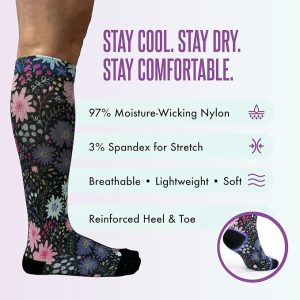
Price: $24-$34 per pair Compression: 20-30 mmHg Material: Nylon, spandex Sizes: Multiple Care: Machine washable
Crazy Compression offers fun, colorful compression socks that don’t look medical, making pregnancy compression wear feel less clinical.
Why we love it:
- Vibrant colors and fun patterns
- Medical-grade compression (20-30 mmHg)
- Affordable price
- Durable material
- Excellent customer reviews
- Available in various lengths
- Machine washable
- Great variety keeps wearing interesting
Best for: Pregnant women wanting fun, colorful compression without clinical appearance
Maternity Compression Sock Comparison Table
| Brand | Price | Compression | Material | Best For | Rating |
|---|---|---|---|---|---|
| Copper Compression | $24-35 | 15-20 mmHg | Nylon/copper | Copper benefits | ⭐⭐⭐⭐⭐ |
| SB SOX | $28-40 | 20-30 mmHg | Nylon/spandex | Stronger compression | ⭐⭐⭐⭐⭐ |
| Jobst | $35-55 | 15-20 mmHg | Nylon/spandex | Medical grade | ⭐⭐⭐⭐⭐ |
| Physix Gear | $22-32 | 20-30 mmHg | Nylon blend | Active women | ⭐⭐⭐⭐ |
| Comrad | $48-65 | 15-20 mmHg | Merino wool | Premium natural | ⭐⭐⭐⭐⭐ |
| Sockwell | $32-45 | 15-20 mmHg | Merino blend | Comfort-focused | ⭐⭐⭐⭐ |
| TravelOn | $26-36 | 15-20 mmHg | Nylon/spandex | Travelers | ⭐⭐⭐⭐ |
| Crazy Compression | $24-34 | 20-30 mmHg | Nylon/spandex | Fun colors | ⭐⭐⭐⭐ |
Compression Levels Explained
15-20 mmHg (Mild-Moderate):
- Best for most pregnant women
- Reduces swelling without feeling restrictive
- Safe for daily all-day wear
- No prescription needed
20-30 mmHg (Moderate):
- For pregnant women with significant swelling
- Stronger compression, more noticeable effect
- Still safe but may feel tight initially
- Some require adjustment period
30+ mmHg (High Compression):
- Requires medical prescription
- For severe edema or medical conditions
- Not typically needed during normal pregnancy
Recommendation for pregnancy: Start with 15-20 mmHg. If swelling persists, upgrade to 20-30 mmHg. Higher compression requires medical consultation.
How to Wear Compression Socks During Pregnancy
Putting them on: Compression socks are tight by design. Try these techniques:
- Sit down: Never put on compression socks while standing. Sit comfortably with your leg extended.
- Smooth application: Roll the sock, slip your foot in, then gradually unroll up your leg, smoothing as you go.
- Use aids if needed: Sock aids (plastic devices) help if socks feel too tight to put on. They’re inexpensive and widely available.
- Best time: Put on compression socks first thing in the morning before your legs swell during the day.
Wearing comfort:
- Break-in period: The first few days feel strange. Your legs adjust to compression after 3-5 days.
- Wear timing: Morning through evening is typical. Remove before bed unless experiencing nighttime swelling.
- Moisture management: Ensure feet are completely dry before putting on socks to prevent moisture buildup.
- Temperature control: Merino wool options regulate temperature better than synthetic materials.
Care and maintenance:
- Washing: Machine wash in warm water with similar colors. Use gentle cycle.
- Drying: Air dry completely. High heat can damage elasticity.
- Lifespan: Quality compression socks last 3-6 months with daily wear before losing compression.
- Replacement: Most pregnant women benefit from 2-3 pairs for rotation.
For leg and back comfort, combine compression socks with our guide to
the best pregnancy pillows for side sleepers.
Frequently Asked Questions About Maternity Compression Socks
Are compression socks safe during pregnancy?
Yes. Compression socks are safe and actually recommended by many healthcare providers to prevent swelling and blood clots during pregnancy. They’ve been used for decades in medical settings for pregnant women.
When should I start wearing compression socks during pregnancy?
Many women start in the second trimester (around week 15-20) when swelling typically begins. However, you can start earlier if experiencing leg discomfort or swelling. Talk to your healthcare provider if swelling appears unusually early.
Can compression socks prevent blood clots during pregnancy?
Yes, improved circulation from compression socks helps prevent deep vein thrombosis (DVT), which is a higher risk during pregnancy. This is one reason healthcare providers recommend compression socks.
How many hours per day should I wear compression socks?
Most pregnant women wear compression socks from morning until evening (12-14 hours daily). Remove them before bed unless experiencing nighttime swelling. Overnight compression isn’t necessary for most women.
Will compression socks make my legs feel better immediately?
Most women notice improvement within 3-5 days of consistent wear. Swelling reduction becomes more noticeable after 1-2 weeks. Initial discomfort from the socks themselves typically disappears after 3-5 days.
Do I need a prescription for maternity compression socks?
No. Over-the-counter 15-20 mmHg compression requires no prescription. Stronger compression (30+ mmHg) typically requires medical prescription.
Can I wear different compression levels throughout pregnancy?
Yes. Starting with 15-20 mmHg and upgrading to 20-30 mmHg as swelling increases is common. Your needs may change as pregnancy progresses.
Should I buy multiple pairs?
Yes. Rotating between 2-3 pairs is ideal. This allows one pair to dry while wearing another and extends overall lifespan. Compression socks need complete drying between wears.
What if compression socks make swelling worse?
Improper fit is the usual culprit. Ensure socks fit properly per sizing guidelines. Socks that are too tight cut off circulation; socks that are too loose don’t provide benefit. Contact the manufacturer for sizing assistance.
Can I wear compression socks during sleep?
Occasional nighttime wear is fine for additional swelling management. However, sleep compression isn’t necessary for most pregnant women unless experiencing significant nighttime edema.
Are maternity compression socks different from regular compression socks?
Yes. Maternity versions account for growing calf size, avoid pressure points on swollen legs, and often use softer materials for all-day pregnancy wear. Regular compression socks may feel uncomfortably tight as your pregnancy progresses.
Will I need compression socks after pregnancy?
Many women continue wearing compression socks postpartum as swelling takes weeks to resolve completely. After swelling resolves, you can discontinue use. Quality socks can be stored for future pregnancies.
Making Your Decision: How to Choose the Best Maternity Compression Socks
Assess your swelling: Mild swelling benefits from 15-20 mmHg; significant swelling may need 20-30 mmHg.
Consider your lifestyle: Active women benefit from moisture-wicking synthetic materials. Travelers appreciate lightweight, compact options. Those with sensitive skin prefer merino wool.
Evaluate budget: Prices range from $22-65 per pair. You need 2-3 pairs, so budget $50-150 for a 3-month supply.
Review sizing carefully: Proper fit is crucial. Brands should provide detailed sizing based on leg and ankle measurements, not just shoe size.
Read pregnancy-specific reviews: Look for reviews specifically from pregnant users. Their experiences address pregnancy-specific needs.
Test comfort tolerance: Some women find 15-20 mmHg uncomfortable initially; others adapt within days. Starting with milder compression helps gauge your tolerance.
Our Overall Recommendation
For most pregnant women, Copper Compression Maternity Socks offer the best balance of affordable price ($24-35), therapeutic compression, and comfortable wearability.
However, the best choice depends on your specific needs:
- Best overall value: Copper Compression ($24-35)
- Best medical-grade option: Jobst ($35-55)
- Best for eco-conscious women: Comrad ($48-65)
- Best for travelers: TravelOn ($26-36)
- Best fun colors: Crazy Compression ($24-34)
- Best for active women: Physix Gear ($22-32)
- Best natural materials: Sockwell ($32-45)
Related Articles
For additional pregnancy support and comfort:
- Best Pregnancy Pillows for Side Sleepers – Combine pillow support with compression for maximum comfort
Final Thoughts
Maternity compression socks are one of the best investments you can make for pregnancy comfort. They’re affordable, safe, and effective at managing the leg and ankle swelling that affects most pregnant women.
Quality compression socks make a noticeable difference in your daily comfort, reduce evening leg fatigue, and provide peace of mind regarding circulation and blood clot prevention. Start with a pair or two, adjust based on comfort, and don’t hesitate to try different brands until you find your perfect fit.
Your legs—and your sleep quality—will thank you.
Disclaimer: This article is for informational purposes and should not replace advice from your healthcare provider. Always consult with your OB-GYN before starting compression therapy, especially if you have a history of blood clots or circulatory issues. The information and product links are based on research and customer reviews. We may earn a commission from affiliate links.